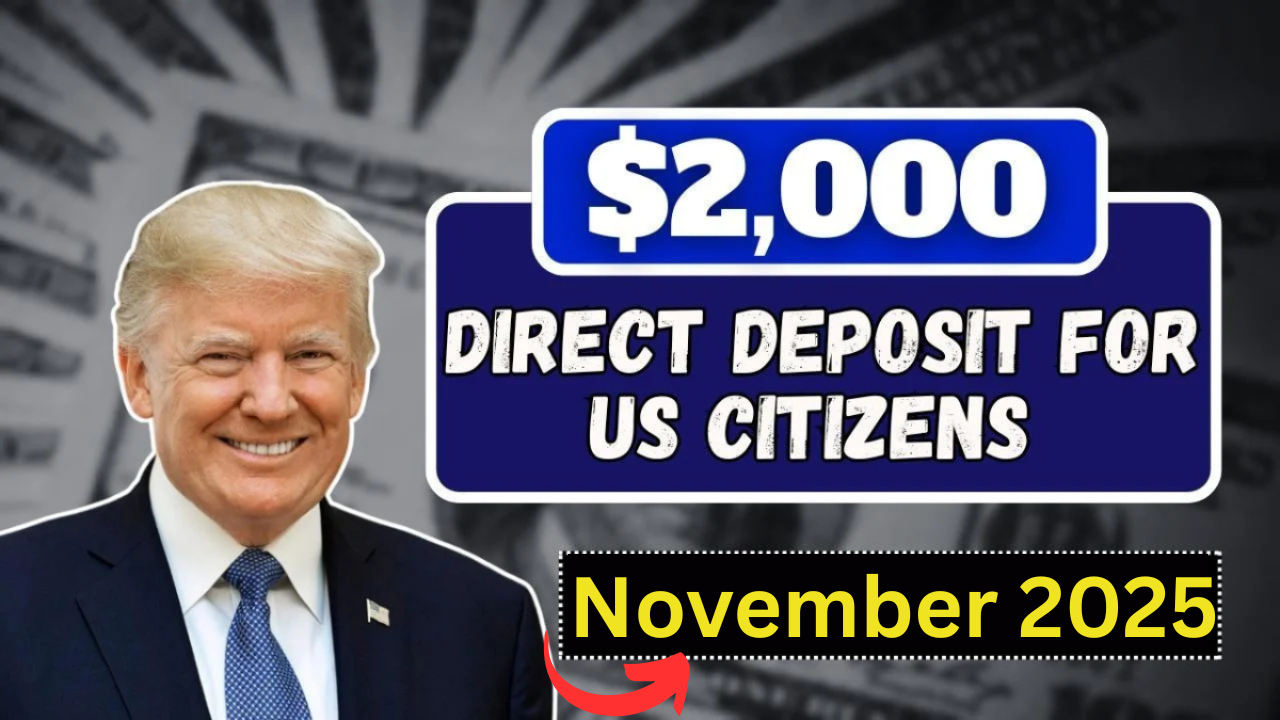
$2,000 Federal Direct Deposit:Good news is on the way for millions of Americans—federal direct deposits of $2,000 are expected to begin in November 2025, providing timely relief amid current financial pressures. With inflation still impacting grocery bills, rent, and medical costs, this initiative aims to provide financial assistance to those who need it most.
If you’re wondering if you’re eligible for this payment and when it will arrive, here’s a complete, human-centered breakdown of everything you need to know—including eligibility, deposit dates, and how to make sure you don’t miss out on your $2,000.
Why You’re Receiving a $2,000 Direct Deposit
In 2025, rising inflation has continued to strain family budgets, particularly for middle- and lower-income households. Recognizing the ongoing need for assistance, the U.S. Department of the Treasury and the Internal Revenue Service (IRS) have partnered to issue another round of federal relief payments.
This $2,000 federal direct deposit is not a loan or an advance – it’s a tax-free relief payment intended to help citizens cope with inflation and economic hardship. It’s also designed to boost spending power ahead of the holiday season and stimulate local economies.
The goal is simple: to ensure that Americans can breathe a little easier as they head into the new year.
Why You’re Receiving a $2,000 Direct Deposit
In 2025, rising inflation has continued to strain family budgets, particularly for middle- and lower-income households. Recognizing the ongoing need for assistance, the U.S. Department of the Treasury and the Internal Revenue Service (IRS) have partnered to issue another round of federal relief payments.
This $2,000 federal direct deposit is not a loan or an advance – it’s a tax-free relief payment intended to help citizens cope with inflation and economic hardship. It’s also designed to boost spending power ahead of the holiday season and stimulate local economies.
The goal is simple: to ensure that Americans can breathe a little easier as they head into the new year.
Who Qualifies for the $2,000 Direct Deposit?
Eligibility for the payment will depend primarily on income, tax filing status, and citizenship. Much like previous stimulus efforts, the government wants to make sure these funds go to those who truly need them.
Here’s who qualifies for the full $2,000 payment:
-
Single Filers: Must have an Adjusted Gross Income (AGI) of $75,000 or less.
-
Married Couples Filing Jointly: Must have a combined AGI of $150,000 or less.
-
Heads of Household: Eligible if AGI is $112,500 or less.
If your income exceeds these limits, you may still receive a reduced payment, though the amount will gradually phase out.
In addition:
-
You must be a U.S. citizen or lawful permanent resident.
-
You need a valid Social Security Number (SSN).
-
You must have filed your 2024 federal income tax return.
Those who receive Social Security (SSA), Supplemental Security Income (SSI), Veterans Affairs (VA), or Railroad Retirement benefits are also included, even if they didn’t file taxes.
When will the $2,000 payment arrive?
The IRS has indicated that payments will begin in mid-November 2025 and continue through the end of the month.
The estimated schedule is as follows:
- Direct deposit payments: Beginning November 12-25, 2025.
- Paper checks: Mailed beginning November 26, 2025.
- Prepaid debit cards (EIP cards): Expected delivery by early December 2025.
If you received earlier stimulus or tax refund payments via direct deposit, your funds are likely to arrive sooner. For those waiting for a paper check, delivery times may vary slightly depending on the Postal Service’s schedule.
How to Check Your Payment Status
When the rollout begins, the IRS will update its “Get My Payment” portal—the same tool used during previous relief programs.
You will be able to:
- Track when your payment was sent.
- Confirm your deposit method (bank account or check).
- Find out the estimated arrival date.
To access it, go to the official IRS.gov website and log in with your credentials. Always avoid unofficial links or third-party sites—scammers often use fake portals to steal information.
What to do if you haven’t received previous payments
If you missed previous relief payments due to outdated bank information, tax errors, or a change of address, don’t panic. The IRS typically includes unpaid stimulus funds in the next eligible credit or refund cycle.
To fix this:
- Update your direct deposit information through your IRS account.
- File a “Recovery Rebate Credit” claim when filing your 2024 taxes.
- If your status shows “Processed” but you never received a payment, contact the IRS Helpline.
This ensures that you’re not only eligible, but that you’ll also receive your money promptly this time.
How to Use a $2,000 Payment Wisely
Although it may be tempting to splurge, financial experts recommend using this money strategically—especially if you face significant expenses in 2025.
Here are some smart tips:
- Pay off high-interest loans or credit cards.
- Pay for essential living costs like rent, utility bills, or groceries.
- Build an emergency savings fund for 2026.
- Make any deferred payments for healthcare or home maintenance.
Even small steps toward financial security can provide lasting stability.
The Government’s Message: Purposeful Relief
A Treasury spokesperson explained the purpose behind this program, saying:
“We want to ensure that hardworking Americans, especially families and seniors, receive the assistance they need to cope with rising costs. This relief payment is a way to restore balance and confidence in 2026.”
The administration hopes this measure will not only ease financial pressure but also boost small business growth through increased spending.
Final Thoughts
A $2,000 federal direct deposit in November 2025 isn’t just a check—it’s a gesture of support, recognizing the challenges facing millions. Whether you use it for essentials or savings, this relief is intended to help you breathe a sigh of relief and regain control of your finances.
As this plan rolls out, stay alert for updates from the IRS and Treasury Department, and make sure your information is up-to-date to avoid delays.
This November, your bank account can bring some much-needed relief—and a reminder that help is still on the way.
FAQs
1. Who qualifies for the $2,000 direct deposit?
Anyone earning under $75,000 (single) or $150,000 (joint) qualifies for the full amount. Others may receive reduced payments.
2. When will payments start?
Deposits will begin between November 12–25, 2025, with checks following soon after.
3. Do I need to apply?
No application is needed. If you qualify, the IRS will automatically send your payment.
4. Is this payment taxable?
No, the $2,000 relief is non-taxable and will not affect your future tax refund.
5. How can I track my payment?
You can track it via the IRS “Get My Payment” tool once it becomes active in mid-November 2025.